Tree Bark Font: A Rugged Typeface for Authentic Woodland Charm
There’s a particular feeling you get when you run your hand over a weathered wooden sign or the rough surface of a pine tree. It’s a sense of authenticity, history, and connection to the natural world. That’s the exact sensation the Tree Bark Font is designed to evoke in your projects. This isn’t just another display font; it’s a textured, nature-inspired typeface that brings the rugged character of the forest directly into your digital and print designs.
The Visual Character: More Than Just Letters
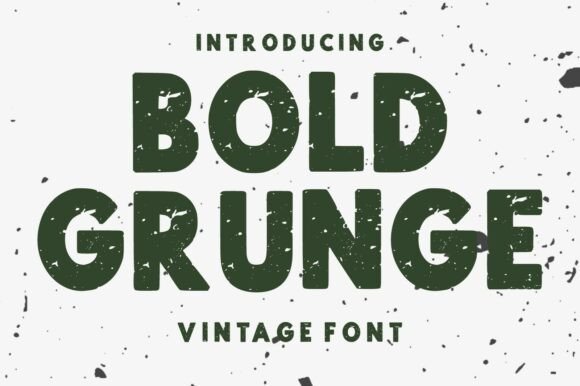
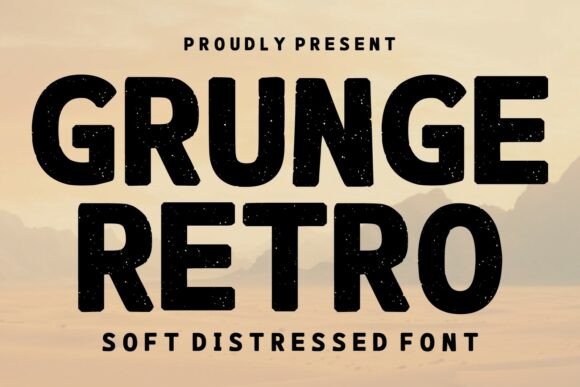
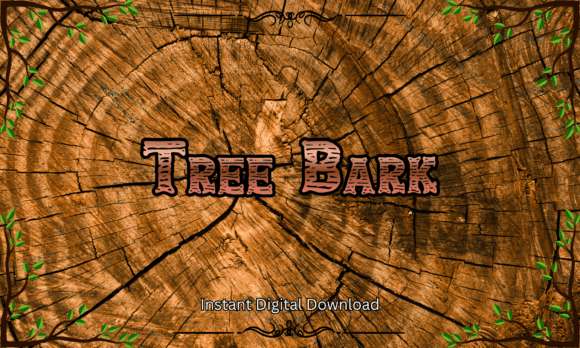
At first glance, Tree Bark presents a bold, commanding presence. Its characters are constructed to mimic the organic, irregular patterns of actual bark—complete with subtle grooves, knots, and a hand-carved aesthetic. This gives it a distinct personality that feels both rustic and substantial. Unlike a clean sans serif font or an elegant serif font, Tree Bark operates in a different realm. It’s a creative font built for impact and storytelling, where the texture of the letterforms themselves communicates a message of earthiness, adventure, and handcrafted quality.
The overall style leans heavily into the woodland display font category. It’s not designed for body text or lengthy paragraphs where readability at small sizes is paramount. Instead, think of it as a specialist tool in your design assets toolkit. Its strength lies in headlines, logos, and short, powerful statements where you want the typography to be the focal point, conveying an immediate mood. This makes it a valuable premium font for specific applications where a standard modern typography choice would feel sterile or out of place.
Strategic Applications: Where Rustic Typography Shines
Understanding where to deploy the Tree Bark Font is key to leveraging its full potential. Its inherent personality makes it a natural fit for projects centered on the outdoors, adventure, and artisanal craftsmanship. For logo design, it can instantly brand a company as authentic and grounded—perfect for a local hiking gear shop, a craft brewery with a forest theme, or a sustainable forestry blog. The textured letterforms become the brand’s signature, creating strong brand identity recognition.
In packaging design, particularly for food products, candles, or skincare with natural ingredients, Tree Bark can elevate the shelf appeal. It suggests that what’s inside is wholesome and thoughtfully made. For editorial design, such as a magazine feature on camping or a book about wilderness survival, using this font for chapter titles or pull quotes adds a layer of thematic immersion. It’s equally effective in social media graphics for outdoor influencers or eco-conscious brands, stopping the scroll with its distinctive, tactile look.
Don’t overlook its power in physical products and DIY projects. It’s a fantastic choice for creating custom signs for a cabin or farmhouse, designing merchandise like t-shirts and decals for hiking clubs, or adding a rustic touch to wedding invitations for a forest ceremony. The included commercial license means these applications are not just possible but encouraged, whether for personal enjoyment or for sale.
Practical Considerations for Effective Use
Adopting a specialized font like Tree Bark requires a thoughtful approach to ensure it enhances rather than overwhelms your design. First, consider font pairing. Its bold texture demands a quieter partner. A clean, geometric sans serif font for subheadings or body copy creates a beautiful contrast, allowing the Tree Bark headline to stand out without competition. A simple script font can also work for a more whimsical, handcrafted feel, but avoid pairing it with other highly decorative or textured fonts, which can create visual chaos.
Always test for readability in context. While the uppercase letters (A-Z) are designed for clarity at display sizes, ensure your chosen color scheme and background provide enough contrast. A dark brown Tree Bark on a cream background works wonderfully, while the same dark font on a similarly dark, busy photograph of a forest might become illegible. For web design, it’s best used sparingly for hero sections or key headers, not for navigation or button text.
Finally, review the full package. The inclusion of numbers, symbols, and both TTF and OTF files offers flexibility across software, from Adobe Illustrator and Procreate for design work to Canva and Cricut Design Space for crafting projects. This compatibility ensures the font integrates smoothly into your existing workflow, whether you’re a professional designer refining a brand system or a hobbyist creating personalized gifts. By evaluating your project’s needs, testing its application, and pairing it wisely, Tree Bark can become a powerful ally in crafting designs that feel genuinely connected to the wild, beautiful outdoors.