Dustwood: Where Boldness Meets Handcrafted Charm
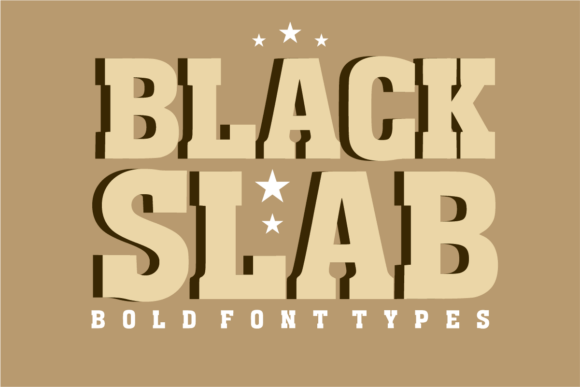
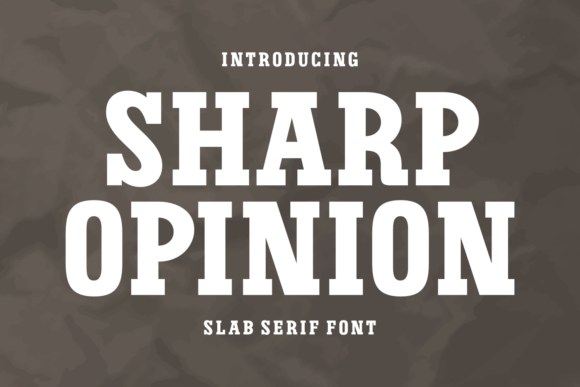
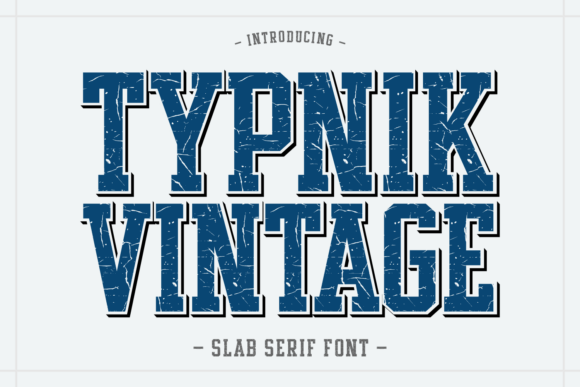
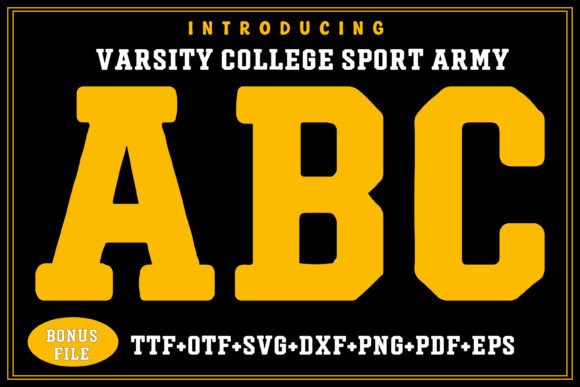
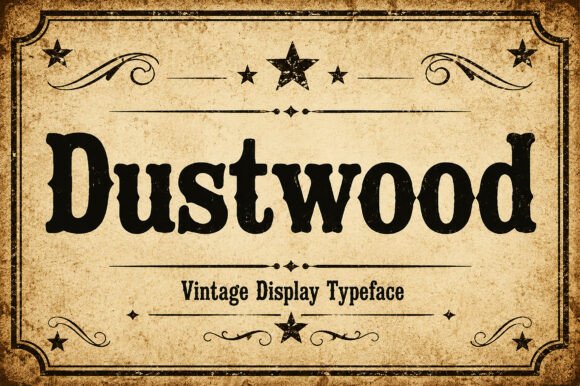
Finding a typeface that commands attention without shouting is a common design challenge. Enter Dustwood, a premium slab serif font that strikes a remarkable balance. It’s robust and substantial, with letterforms that feel confident and modern. Yet, look closer, and you’ll notice the subtly irregular, soft edges and gentle serif details that give it a distinctly handcrafted, almost whimsical personality. This isn’t a cold, geometric font; it’s one with a pulse, blending energy with an approachable warmth that feels immediately friendly. The result is a versatile display font that draws the eye in and remains effortlessly legible, making it a powerful tool for a wide range of creative projects.
A Chameleon for Creative Projects
The true strength of Dustwood lies in its adaptability. It’s a chameleon-like typeface that can shift its tone to suit the project’s needs. For a brand identity aiming for an upbeat, playful, or artisanal feel, Dustwood becomes an instant asset. Imagine it on a vibrant logo for a craft brewery, a playful children’s apparel line, or an eclectic café. Its bold weight ensures it stands out in logo design, while the handcrafted vibe adds a layer of authenticity that polished sans serif fonts often lack.
Beyond logos, its applications are extensive. In packaging design, Dustwood can make product labels pop off the shelf, especially for items like gourmet snacks, organic goods, or unique hobby kits. It conveys quality and creativity at a glance. For poster headings and event flyers, it delivers the necessary impact while maintaining a friendly, accessible tone—perfect for music festivals, community markets, or workshop announcements.
The font’s personality also shines in editorial design and personal projects. Think of expressive book covers for middle-grade fiction or whimsical cookbooks. Its legibility at larger sizes makes it ideal for chapter titles and pull quotes. For creators and crafters, Dustwood is a fantastic choice for T-shirt designs, witty quote graphics, greeting card messages, and digital badges. It injects a unique touch of character into social media graphics, helping posts stand out in a crowded feed with a consistent, recognizable style.
Making Smart Choices with Dustwood
Integrating a new creative font into your workflow requires thoughtful consideration. Dustwood is a display font, meaning it’s engineered for impact at larger sizes, such as headlines and titles. While it maintains good legibility, it’s generally not suited for long-form body text where a more neutral serif font or sans serif font would excel. The key is to use it strategically to establish visual hierarchy. Pair it with a clean, simple companion font for body copy to let its personality shine without overwhelming the reader.
When evaluating if Dustwood is the right fit, consider your project’s tone. It naturally leans toward upbeat, playful, energetic, and approachable. If your brand or design requires a strictly formal, minimalist, or ultra-corporate aesthetic, a different typeface might be more appropriate. However, if you’re looking to inject warmth, creativity, and a touch of nostalgia, it’s an excellent candidate.
Practical steps are crucial. Always test the font with your actual content. How do your brand name, key headlines, and taglines look? Check the included styles—does the commercial font license cover your intended use, whether for digital web design, print materials, or merchandise? Review the character set for any special glyphs or alternates that might enhance your work. Finally, consider its role in your overall design assets library. A font like Dustwood doesn’t replace your primary workhorse fonts; it complements them, adding a specialized tool for specific creative needs.
Final Thoughts on a Versatile Companion
Dustwood is more than just a set of letters; it’s a design partner that can recalibrate creative possibilities. It bridges the gap between the boldness of a classic slab serif and the warmth of a hand-drawn style, making it a valuable addition to any designer’s toolkit. By understanding its personality and applying it thoughtfully, you can leverage its unique charm to create more engaging, memorable, and effective designs that truly connect with your audience.